

Introduction
Installing a wheelchair ramp is not simply a matter of placing a sloped structure at your doorway. The way a ramp is installed directly affects daily usability, long-term safety, and whether the ramp truly supports independent mobility. For homeowners, caregivers, and families planning for accessibility, understanding wheelchair ramp installation is a critical part of the buying decision.
This buying guide focuses on what you need to know before purchasing and installing a wheelchair ramp. Rather than teaching construction techniques, it helps you evaluate installation options, safety requirements, and common pitfalls so you can choose the right ramp solution for your home with confidence.
Who This Wheelchair Ramp Installation Guide Is For
This guide is designed for:
- Homeowners preparing their home for wheelchair access
- Caregivers supporting seniors or family members with limited mobility
- People planning short-term recovery access versus long-term aging-in-place solutions
- Buyers comparing portable, modular, and permanent wheelchair ramps
If you are deciding 'whether', 'what type', or 'how' to install a wheelchair ramp safely, this guide is for you.
Wheelchair Ramp Installation vs. Construction: Understanding the Difference
One of the most common points of confusion is the difference between installation and construction.
- Ramp construction focuses on building a ramp from raw materials, including cutting, assembling, and fabricating components.
- Ramp installation focuses on positioning a finished ramp, securing it properly, ensuring correct slope and stability, and confirming safe daily use.
From a buyer’s perspective, installation matters just as much as the ramp itself. Even a well-designed ramp can become unsafe if it is installed incorrectly. If you are interested in the hands-on building process, you may find value in a dedicated construction guide. This article, however, concentrates on installation decisions that influence what type of ramp you should buy.
If you are interested in the hands-on building process, you may find value in a dedicated guide on how to build a wheelchair ramp step by step.

Types of Wheelchair Ramps and Their Installation Requirements
Different ramp types come with very different installation needs. Understanding these differences early helps you avoid buying a ramp that is incompatible with your home.
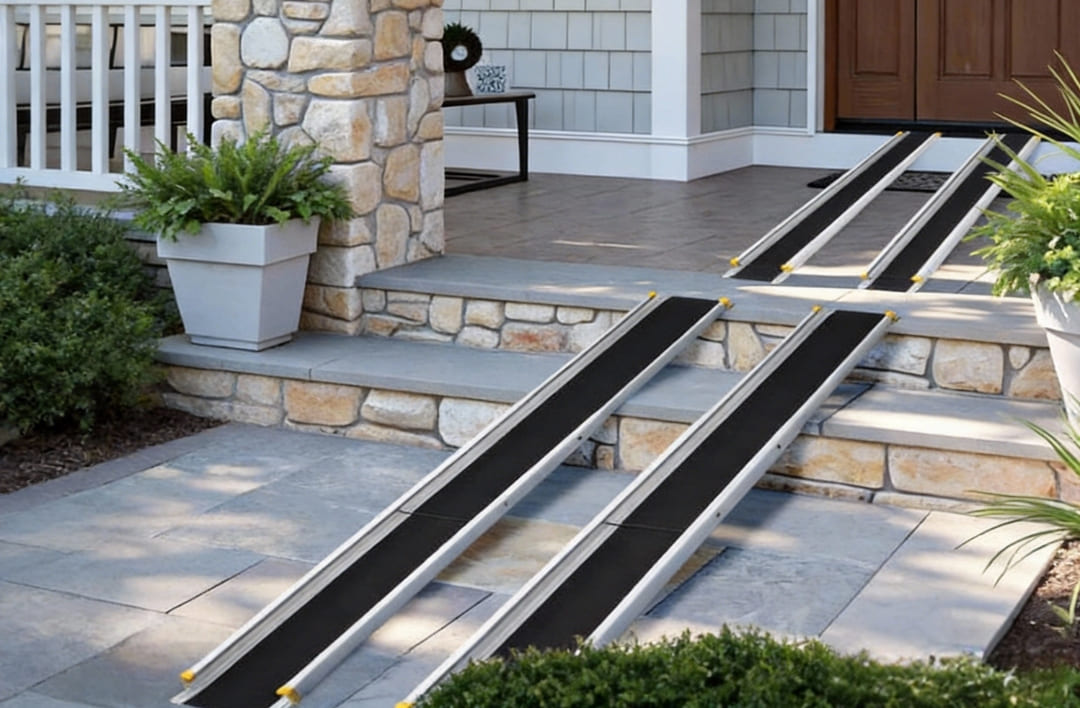
Portable Wheelchair Ramps
Portable ramps are designed for temporary or flexible use.
Installation characteristics:
- Minimal or no permanent fixing
- Typically placed directly over steps or thresholds
- Quick setup and removal
Best for:
- Short-term recovery
- Travel or multi-location use
- Renters who cannot modify property
Key installation consideration: Surface stability and slip resistance are critical, as portable ramps rely heavily on correct placement rather than anchoring.

Modular Wheelchair Ramps
Modular ramps consist of prefabricated sections that can be adjusted to fit different entry heights.
Installation characteristics:
- Semi-permanent installation
- Components are secured together and anchored
- Adjustable layout for changing needs
Best for:
- Long-term residential use
- Homes with multiple steps or complex entry layouts
- Buyers seeking flexibility without full construction
Key installation consideration: Proper leveling, secure anchoring, and sufficient landing space are essential to long-term safety.

Pic from ezaccess
Permanent Wheelchair Ramps
Permanent ramps are designed for long-term accessibility and are typically installed as fixed structures.
Installation characteristics:
- Permanently attached to the home
- Often requires permits or inspections
- Designed to withstand weather and daily use
Best for:
- Aging-in-place homes
- Full-time wheelchair users
- Properties with consistent accessibility needs
Key installation consideration: Compliance with local building codes and long-term durability must be evaluated before purchase.

Pic from warriorservicecompany
Key Safety and Compliance Factors to Consider Before Installation
Safety and compliance should guide every installation decision. While standards may vary by region, several universal principles apply.
Ramp Slope and Angle
A ramp that is too steep can be dangerous and exhausting to use. Buyers should ensure the ramp length matches the entry height and allows for smooth, controlled movement.
Landing Space and Clearance
Safe installation requires adequate landing areas at both the top and bottom of the ramp. These spaces allow users to rest, turn, and open doors safely.
Handrails and Edge Protection
Depending on ramp length and height, handrails and edge barriers may be necessary to prevent falls and provide added confidence.
Surface Traction
The ramp surface must provide sufficient grip, especially in wet or icy conditions. Installation location plays a major role in long-term traction performance.
Preparing Your Home for Wheelchair Ramp Installation
Before purchasing a ramp, take time to evaluate whether your home environment is suitable for safe installation.
Entry Assessment
- Measure the total rise from ground to entry point
- Identify obstacles such as doors, railings, or uneven ground
- Consider door swing direction and clearance
Ground and Base Stability
The surface beneath the ramp must support both the ramp and the user’s weight. Soft soil, sloped yards, or uneven concrete may require additional preparation.
Weather Exposure
Outdoor ramps are exposed to rain, snow, and temperature changes. Installation location should minimize water pooling and surface wear.
Professional Installation vs. DIY Installation
Choosing between professional installation and self-installation is a major buying decision.
When DIY Installation May Be Suitable
- Portable or short modular ramps
- Temporary accessibility needs
- Simple, low-rise entries
DIY installation can reduce upfront cost, but it requires careful attention to safety checks and proper placement.
When Professional Installation Is Recommended
- Permanent ramp systems
- Higher entry points or complex layouts
- Homes requiring permits or inspections
Professional installation provides peace of mind and reduces the risk of costly installation errors.
Common Wheelchair Ramp Installation Mistakes Buyers Should Avoid
Avoiding common mistakes can prevent safety hazards and unnecessary expenses.
- Choosing a ramp that is too short for the entry height
- Failing to secure the ramp properly
- Ignoring landing space requirements
- Overlooking long-term weather impact
- Selecting a ramp without considering future mobility needs
Thinking through these issues before buying helps ensure the ramp remains safe and functional over time.
Pre-Installation Buying Checklist
Use this checklist before purchasing a wheelchair ramp:
- Measure entry height accurately
- Decide between temporary or permanent access
- Confirm weight capacity requirements
- Assess installation location and surface conditions
- Determine whether professional installation is needed
This checklist helps align your ramp choice with your installation realities.
Conclusion
Wheelchair ramp installation is more than a technical step—it is a core part of choosing the right accessibility solution for your home. By understanding installation requirements, safety considerations, and ramp types before buying, you can avoid common mistakes and ensure long-term usability.
A well-installed ramp supports independence, confidence, and daily comfort—especially when paired with the right mobility equipment. To create a truly accessible living environment, many users also take time to explore different wheelchairs that match their daily needs, lifestyle, and home layout.

Share:
Best Rollator Walker with Seat and Basket (2026): 7 Top Picks from WHLICKS
How Do You Measure for a Knee Scooter?