

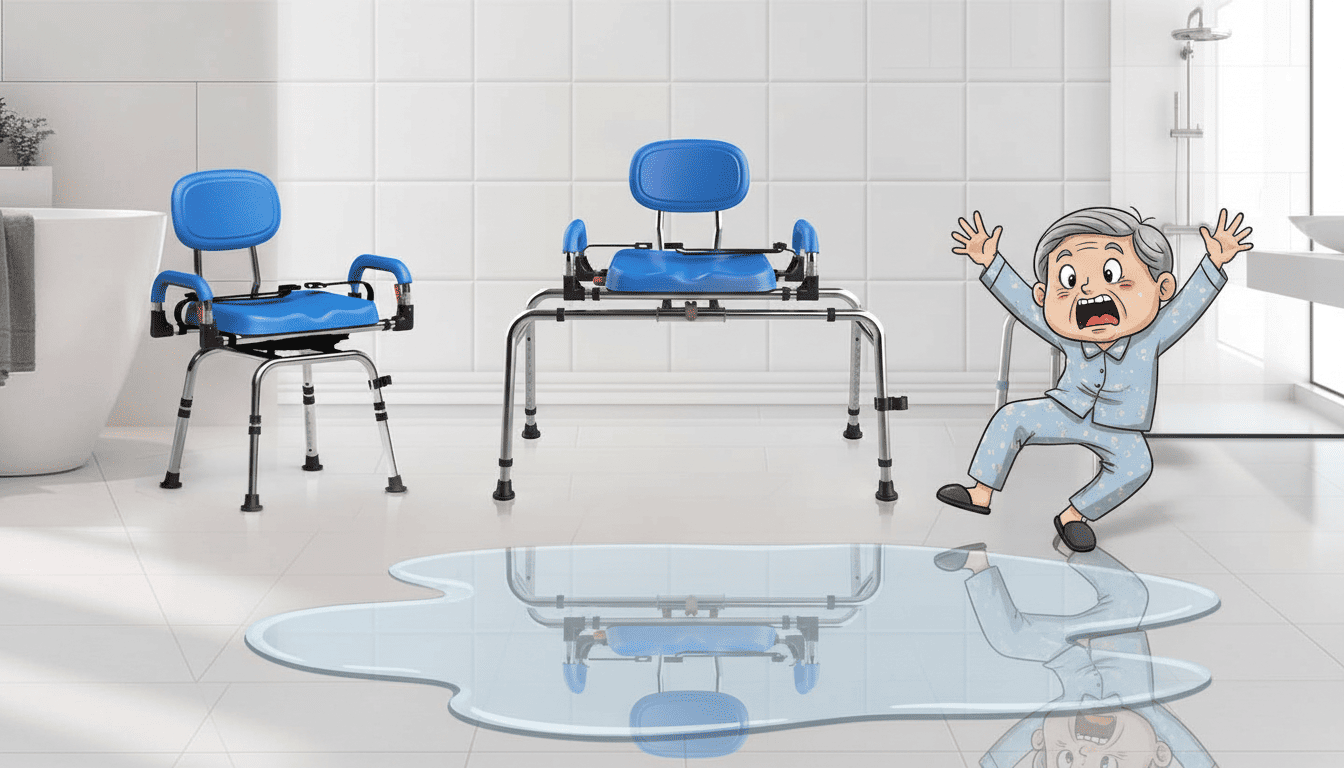
A shower chair is a bathroom safety device designed to provide stable seated support during bathing, especially in wet and slippery environments. It is commonly used by elderly individuals, people recovering from surgery, and anyone with reduced mobility who may struggle to stand safely in the shower for extended periods.
Unlike regular seating, a bath chair for elderly users is engineered with water-resistant materials, anti-slip feet, and drainage-friendly designs to ensure stability in high-moisture conditions. It functions as a core component of bathroom safety and mobility support, reducing the risk of falls while maintaining personal hygiene independence.
Why Shower Chairs Are Important for Bathroom Safety
Bathrooms are among the most hazardous areas in the home due to wet flooring, limited space, and frequent movement transitions. A bathroom safety chair addresses these risks by creating a controlled and stable seating environment inside the shower.
Without proper support, users often rely on standing for bathing activities, which increases fatigue and reduces balance control. A shower seat eliminates prolonged standing on slippery surfaces and provides a safe resting position during bathing.
From a safety perspective, shower chairs are not just convenience tools—they are widely recognized in home care and rehabilitation settings as essential fall prevention equipment.
How Shower Chairs Prevent Falls
A shower chair reduces fall risk through multiple biomechanical and environmental safety mechanisms. Instead of relying on unstable standing balance, the user remains seated on a fixed support structure.
1. Lower Center of Gravity
Sitting significantly lowers the body’s center of gravity, making it easier to maintain balance even on wet surfaces.
2. Reduced Standing Time
Standing in a wet shower increases fatigue and instability. A shower seat removes the need for prolonged standing.
3. Controlled Movement Transitions
Sitting before, during, and after bathing reduces risky transitions such as bending or sudden weight shifts.
4. Surface Stability Enhancement
Rubberized feet and wide bases improve grip on wet tiles, reducing sliding risk.
Together, these mechanisms make a bathroom safety chair one of the most effective tools for reducing bathroom-related injuries in at-risk populations.
Who Should Use a Shower Chair?
A shower chair is recommended for a wide range of users experiencing temporary or long-term mobility challenges.
- Elderly individuals: Age-related balance decline and joint stiffness increase fall risk during bathing
- Post-surgery patients: Hip, knee, or spinal surgery often limits safe standing ability
- People with mobility impairments: Conditions such as arthritis or muscle weakness affect stability
- Individuals with neurological conditions: Parkinson’s disease or vertigo may cause sudden imbalance
- Pregnant users: Fatigue and body balance changes increase bathroom safety risks
In all these cases, a bath chair for elderly or mobility support user improves both physical safety and confidence during daily hygiene routines.
Types of Shower Chairs and Which One Is Best
Different shower seats are designed to meet varying levels of support needs. Selecting the right type depends on mobility level, bathroom space, and safety requirements.
Standard Shower Chair

Pic from Walmart
A basic four-leg design suitable for users with mild balance issues. It provides essential support without additional features.
Shower Chair with Backrest

Pic from Walmart
Adds upper-body support and improves posture stability. Ideal for elderly users who require longer bathing time.
Shower Chair with Armrests
Enhances safety during sitting and standing transitions. Recommended for users with knee or hip limitations.
Heavy-Duty Shower Chair
Built for higher weight capacity and reinforced stability. Commonly used in clinical and long-term care environments.
Choosing the correct bathroom safety chair ensures the right balance between comfort, support, and injury prevention.
Shower Chair vs No Shower Chair Comparison
Understanding the difference between using a shower chair and standing unaided highlights its importance in daily safety management.
Without a Shower Chair
- Higher risk of slipping on wet surfaces
- Increased fatigue during bathing
- Unstable balance during soap or shampoo use
- Greater likelihood of injury during falls
With a Shower Chair
- Stable seated position throughout bathing
- Reduced pressure on legs and joints
- Improved safety during hygiene routines
- Lower risk of accidental falls
This comparison clearly shows why a shower seat is widely recommended in fall prevention strategies for home safety improvement.
Key Safety Features to Consider
When evaluating a bathroom safety chair, specific structural and material features determine its effectiveness in preventing accidents.
- Non-slip rubber feet: Essential for grip on wet tiles and bathtub surfaces
- Corrosion-resistant frame: Aluminum or stainless steel prevents rust in humid environments
- High weight capacity: Ensures stability under different user conditions
- Drainage seat design: Prevents water pooling and improves hygiene
- Wide base structure: Increases overall balance and reduces tipping risk
- Adjustable height settings: Supports ergonomic alignment for different users
These features collectively determine whether a shower chair provides reliable mobility support or introduces unnecessary risk.
Proper Usage Safety Tips
Correct usage of a shower seat is essential for maximizing safety benefits. The following checklist outlines best practices:
- Place the chair on a flat and stable surface before use
- Inspect rubber feet for wear or damage regularly
- Ensure the chair is fully stable before sitting
- Avoid sudden movements while seated
- Keep essential bathing items within arm’s reach
- Do not exceed the manufacturer’s weight limit
For higher-risk users, combining a bath chair for elderly with grab bars further enhances bathroom safety.
FAQ: Shower Chair Safety and Usage
What is the purpose of a shower chair?
A shower chair provides stable seated support during bathing to reduce fall risk and improve bathroom safety.
Is a shower chair necessary for elderly people?
Yes. A bath chair for elderly users is commonly recommended to prevent falls and support independent bathing.
How does a shower chair improve safety?
It reduces standing time, improves stability, and provides secure seating in wet environments, significantly lowering fall risk.
Can a shower chair be used after surgery?
Yes. A shower seat is often used during recovery to reduce strain and ensure safe hygiene practices.
What features are most important in a shower chair?
Non-slip feet, strong frame materials, drainage design, and proper weight capacity are the most critical safety features.
Do shower chairs help with mobility support?
Yes. A bathroom safety chair provides essential mobility support by reducing the need to stand during bathing.
Conclusion: A Simple Tool That Significantly Improves Bathroom Safety
A shower chair is an essential safety solution for individuals at risk of falls during bathing. By providing stable seated support, it transforms a high-risk environment into a controlled and manageable space.
For elderly users, post-surgery recovery patients, and individuals with mobility limitations, a bath chair for elderly or shower seat is not just a convenience—it is a practical fall prevention tool that enhances daily independence and reduces injury risk.
As part of a complete bathroom safety strategy, integrating a reliable bathroom safety chair can significantly improve confidence, mobility support, and long-term quality of life.
Share:
How to Choose the Best Walker for Seniors | 2026 Buying Guide
How to Choose the Right Shower Chair for Seniors