

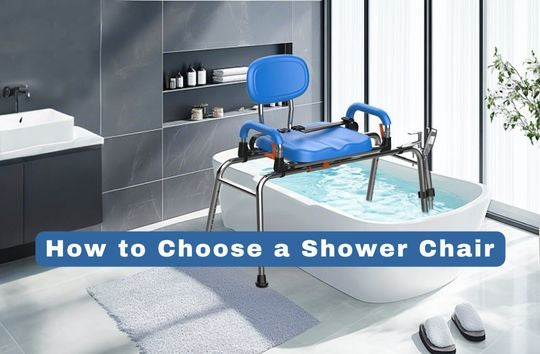
Finding the best shower chair is essential for anyone who needs extra support, balance, and comfort while bathing. Whether you’re an elderly user, a pregnant woman, a bariatric individual, or someone recovering from surgery, choosing the correct shower chair directly impacts your safety, independence, and overall bathing experience.
This comprehensive guide explains what a shower chair is, who needs one, the different types, key features to consider, measuring tips, safe-use instructions, FAQs, and top recommendations for 2026—including the best-selling WHLICKS sliding shower chairs.
What Is a Shower Chair?
A shower chair is a stable, water-resistant seat designed to help people sit safely while bathing. It provides support, prevents slips, and offers comfort for users who find it difficult to stand for long periods.
Common Types of Shower Chairs
- Standard Shower Chair – A four-leg chair with a backrest, designed for basic stability.
- Shower Stool (Backless) – A compact, lightweight stool without a backrest; ideal for smaller bathrooms.
- Sliding Shower Chair – A chair with a sliding and/or swivel seat that allows users to move across the bench effortlessly.
- Transfer Bench – Extends outside the bathtub, enabling safe entry from outside the tub.
- Bariatric Heavy-Duty Shower Chair – Reinforced chair designed for higher weight capacities (up to 500 lbs).
- Shower Chair with Wheels (Roll-In Chair) – A mobile option for roll-in showers or users with limited mobility.

Why a Shower Chair Is Important for Safety and Independence
A shower chair significantly improves the safety and convenience of bathing—especially for people with reduced mobility, balance issues, or medical limitations.
Ideal for Users Experiencing:
- Fatigue while standing
- Balance problems
- Post-operative pain
- Pregnancy discomfort
- Obesity-related mobility challenges
- Chronic health conditions
- Age-related joint stiffness
A shower chair reduces fall risk, conserves energy, and helps users maintain dignity and independence.
Who Needs a Shower Chair?
Shower Chair for Elderly
As people age, balance, strength, and joint flexibility naturally decline. Older adults are at higher risk of slipping on wet bathroom floors. A shower chair:
- Prevents falls—the leading cause of bathroom injuries in seniors
- Allows safe, stable seated bathing
- Minimizes fatigue and dizziness
- Supports people with arthritis, muscle weakness, and neuropathy
A stable chair gives elderly users confidence and allows them to maintain independence in personal hygiene.
Shower Chair for Pregnancy
Pregnancy—especially in the second and third trimester—puts stress on the body and makes standing in the shower uncomfortable or unsafe.
Reasons pregnant women need a shower chair:
- Swollen feet and ankles make standing painful and tiring
- Balance shifts as the belly grows, increasing fall risk
- Lower-back strain intensifies late in pregnancy; standing too long worsens pain
- Risk of dizziness increases due to blood circulation changes
- Showering seated reduces pressure on legs, hips, and spine
A shower chair helps pregnant women bathe safely, reduces fatigue, and provides a stress-free experience during and after pregnancy.
Shower Chair for Post-Surgery Patients
People recovering from surgeries—such as hip replacement, knee surgery, spine procedures, or abdominal operations—must avoid slipping, twisting, or overexerting.
A shower chair helps by:
- Eliminating the need to stand on slippery surfaces
- Maintaining joint alignment during recovery
- Reducing exertion, dizziness, or fainting risks
- Allowing safe transfer into tubs when paired with a transfer bench
A sliding shower chair is especially useful for patients who cannot lift their legs over a bathtub edge.
Bariatric Shower Chair for Heavy-Duty Support
For individuals with higher body weight, a heavy-duty shower chair is crucial for safety and comfort.
Benefits for overweight or obese users:
- Prevents collapses caused by insufficient weight capacity
- Provides wider seats for hip comfort
- Offers reinforced frames (often supporting 350–500 lbs)
- Improves stability on wet surfaces
- Reduces strain on knees, ankles, and lower back
A bariatric heavy duty shower chair drastically improves safety and independence for plus-size users.
Sliding Shower Chair for Individuals with Limited Mobility
Users with limited mobility due to paralysis, stroke, muscle weakness, or chronic illness may struggle stepping into tubs or moving within a shower stall.
A sliding shower chair:
- Allows users to sit outside the tub and slide in safely
- Minimizes the risk of falls while stepping over bathtub walls
- Reduces caregiver lifting strain
- Provides smooth, controlled movement
- Helps maintain dignity during bathing
Swivel and sliding features make bathing effortless and safer.
Benefits of Using a Shower Chair
Prevent Falls
Falls in bathrooms are extremely common and often result in fractures or head injuries. A stable shower chair eliminates the need to balance on slippery surfaces.
Improve Shower Safety
Users can sit securely while washing, shaving, or reaching for toiletries—reducing dangerous bending or twisting motions.
Reduce Fatigue
Standing for long periods causes muscle fatigue, especially for elderly users, pregnant women, or those with health conditions. Sitting conserves energy and prevents dizziness.
Provide Confidence and Independence
A shower chair empowers users to bathe without fear of falling, maintaining dignity, privacy, and independence—even with limited mobility.

Types of Shower Chairs and Their Differences
Standard Shower Chair
Best for: seniors, general mobility limitations
Pros:
- Backrest support
- Stable and comfortable
- Adjustable height
Cons:
- Bulkier than stools
- Not ideal for bathtub transfer
Shower Stool (Backless)
Best for: small bathrooms, users with mild balance issues
Pros:
- Lightweight and compact
- Easy to store
- Affordable
Cons:
- No backrest support
- Not suitable for severe balance issues
Sliding Shower Chair
Best for: elderly, post-surgery patients, limited mobility
Pros:
- Allows safe transfer into bathtubs
- Seat slides and often swivels
- Minimizes fall risks
Cons:
- Requires more space
- Higher cost
Transfer Bench
Best for: bathtub use
Pros:
- Half inside, half outside the bathtub
- Allows safe seated entry
- Supports limited-mobility individuals
Cons:
Takes up more space
Sliding Shower Chair vs. Transfer Bench Table
| Feature | Sliding Shower Chair | Transfer Bench |
|---|---|---|
| Sliding Seat | ✔ Yes | Optional |
| Swivel Seat | ✔ Common | ✘ Rare |
| Best For | Showers & bathtubs | Bathtubs |
| Safety Level | Very high | High |
| Mobility Support | Excellent | Good |
| Space Needed | Medium-Large | Large |
Bariatric Shower Chair (Heavy-Duty)
Best for: plus-size users (300–500 lbs)
Pros:
- Reinforced frame
- Wide seat
- Extra stability
Cons:
- Heavier and less portable
Shower Chair with Wheels (Roll-In Shower Chair)
Best for: wheelchair users with roll-in showers
Pros:
- Easy mobility
- Caregiver friendly
- Comfortable transport
Cons:
- Requires a roll-in shower
- Higher price
Key Features to Look for When Buying a Shower Chair
Weight Capacity and Stability
This is the most important safety factor.
Choose a chair that supports your body weight plus a safety margin.
- Standard chairs: 250–300 lbs
- Bariatric chairs: 350–500+ lbs
Look for:
- Wide base
- Reinforced legs
- Non-slip feet
- Anti-tip design
Adjustable Height
Proper height ensures:
- Better posture
- Less strain on knees
- Safer transitions
Look for simple, tool-free height adjustments.
Seat Design (Width, Drainage, Comfort)
A well-designed seat improves comfort and hygiene.
Important features:
- Wide seat for stability
- Drainage holes to prevent puddling
- Textured surface for anti-slip comfort
Backrest and Armrests
Backrest improves lumbar support.
Armrests help users:
- Sit down safely
- Stand up more easily
- Maintain balance
Anti-slip grips are essential.
Anti-Slip Rubber Feet or Suction Tips
Non-slip feet prevent the chair from moving on wet tiles.
Suction-cup tips offer the best hold on smooth surfaces.
Material Quality (Aluminum vs. Plastic vs. Stainless Steel)
- Aluminum – lightweight, rust-proof, durable
- Plastic – affordable, but not as sturdy
- Stainless Steel – strong but heavier
Choose aluminum if you want long-term durability and rust resistance.
Ease of Assembly and Portability
Consider:
- Tool-free assembly
- Foldable design
- Lightweight frame
Some models disassemble quickly for travel.
Compatibility with Your Bathroom Layout
Measure your:
- Shower width
- Depth
- Entry space
- Door or curtain clearance
Make sure the chair fits easily.
Extra Safety Features
Additional features improve usability:
- Safety belts
- Handles
- Suction cups
- Wheels with brakes
- Swivel seats
- Sliding tracks
Comparison Table of Different Brands’ Shower Chairs
| Brand / Model | Weight Capacity (or Spec) | Seat Type / Key Features | Best For / Notable Strength |
|---|---|---|---|
| WHLICKS — Sliding Shower Chair with 360° Swivel Seat | up to 450 lbs (heavy‑duty) | Wide swivel seat, sliding‑transfer design, anti‑slip legs, built‑in stability (heavy‑duty support) | Seniors, pregnant women, mobility‑limited users needing safe sliding/swivel + high load capacity |
| Medline — Bariatric Shower Chair with Back | up to ~ 400–650 lbs (depending on model) | Reinforced aluminum frame, backrest + arms, adjustable height, non‑slip feet | Plus‑size or heavy users needing very high weight support and stable bath seating |
| Drive Medical — Standard / Premium Shower Chair (with Back & Arms) | ~ 300–350 lbs (some models 350 lbs) | Height‑adjustable legs, backrest & armrests, drainage holes, corrosion‑resistant aluminum/plastic build | Moderate‑weight adults, elderly needing stable seat + easy assembly + good price point |
| Carex — Adjustable Bath & Shower Seat | ~ 350 lbs heavy‑duty support (per one common model) | Wide seat + sturdy backrest, non-slip rubber feet, adjustable height, tool‑free setup | Users who want a balanced, mid-weight capacity chair with comfort & stability without going full bariatric range |
| AquaSense — Adjustable Bath & Shower Stool/Chair | ~ 300 lbs (common for many similar bath stools/chairs) | Lightweight, corrosion‑resistant aluminum frame, drainage holes, non-slip rubber tips, adjustable legs | People needing a simple, lighter-duty, affordable shower chair — e.g. smaller bathrooms or lighter users |
| HOMLAND — Heavy-Duty Shower Chair (Heavy‑Duty Option) | ~ 500 lbs (per “Best Overall Heavy-Duty Option” listing) | Heavy‑duty aluminum alloy frame, tool‑free assembly, removable arms/back, non-slip design | Users needing high weight capacity + durability + easy assembly — good for plus‑size users or shared household use |

How to Measure Your Bathroom Before Buying
Measure Shower Space Width & Depth
Use a tape measure and record:
- Floor width
- Depth
- Any narrow spots
Ensure the chair fits with enough space to turn or slide.
Check Drain Position and Floor Slope
Chairs must stand evenly.
Avoid placing legs directly over uneven slopes or large drains.
Evaluate Clearance for Doors or Curtains
Check:
- Sliding glass door width
- Swing door clearance
- Curtain coverage
Ensure the chair won’t block movement.
Tips for Using a Shower Chair Safely
Position the Chair in the Right Spot
Place it:
- On level ground
- Close to grab bars
- Away from the direct stream if user is temperature-sensitive
Test Stability Before Every Use
Check:
- Non-slip feet
- Swivel/slide lock
- Leg tightness
Keep the Bathroom Floor Dry
Dry the floor before stepping out to prevent slips.
Consider Additional Safety Tools
- Grab bars
- Non-slip mats
- Handheld shower heads
- Safety belts (for limited mobility users)
Frequently Asked Questions About Shower Chairs (FAQ)
How do I know what size shower chair I need?
Measure your shower space and compare it to the chair’s width. A comfortable seat should match your hip width plus a few inches.
How much weight can a shower chair support?
- Standard chairs support 250–300 lbs.
- Bariatric models support 350–500 lbs.
What is the safest shower chair for seniors?
A sliding or swivel shower chair is the safest option, especially models with armrests and non-slip feet.
Can a shower chair be used in a bathtub?
Yes—especially sliding chairs or transfer benches designed specifically for bathtubs.
How often should I replace a shower chair?
Replace every 2–5 years or sooner if there are cracks, rust, or wobbly legs.
Do you need a shower chair after hip replacement?
Yes. Doctors recommend seated bathing to avoid bending, twisting, or overexerting.
How much is a shower chair?
Prices range from $40–$300 depending on features, weight capacity, and design.
What should I consider before buying a shower chair?
Key factors:
- Weight capacity
- Seat comfort
- Anti-slip feet
- Adjustability
- Bathroom size
- Material durability
Where to buy a shower chair?
You can purchase high-quality shower chairs online from specialty retailers like WHLICKS, Amazon, and medical supply stores.
Best Shower Chair Recommendation for 2026
WHLICKS Sliding Shower Chair With 360° Swivel Seat (Top Recommendation)
This is WHLICKS’ best-selling and most beloved model.
Why customers love it:
- 360° swivel seat reduces twisting and falling
- Sliding track system ensures safe bathtub transfer
- Up to 450 lbs weight capacity (true heavy-duty support)
- Anti-slip legs and locking system
- Comfortable padded seat
Perfect for:
- Elderly users
- Pregnant women
- Mobility-limited users
- Post-surgery recovery patients

WHLICKS Swivel Shower Chair for Bathtub
Designed specifically to fit fully inside bathtubs.
Key features:
- Extra-wide 360° swivel seat
- Smooth sliding mechanism
- Fits most bathtub shapes
- Easy tool-free assembly
Ideal for:
- Homes with smaller tub spaces
- Users needing safe entry into deep tubs

A minimalist, compact solution for users who need basic support.
Best for:
- Independent users
- People who don’t need backrest/armrests
- Small bathrooms
Features:
- Adjustable height
- Lightweight design
- 360° swivel seat
- Anti-slip feet

Conclusion: Choosing the Right Shower Chair for Long-Term Safety
A shower chair is more than a convenience—it’s an essential safety tool that prevents falls, boosts independence, and enhances comfort for users of all ages and conditions. By understanding your needs and looking closely at weight capacity, stability, adjustability, seat design, and bathroom compatibility, you can select a chair that provides long-term support.
For 2026, WHLICKS’ sliding and swivel shower chairs stand out for their durability, high weight capacity, ergonomic design, and unmatched safety features—making them ideal for seniors, pregnant women, bariatric users, and anyone with limited mobility.
If you want the safest, most reliable, and most comfortable bathing experience, consider one of the recommended models above.
Share:
Top 10 Practical Christmas Gifts for Parents Who Have Everything
Wheelchair Ramp Buying Guide (2026): Types, Safety Tips & How to Choose the Right Portable Ramp