

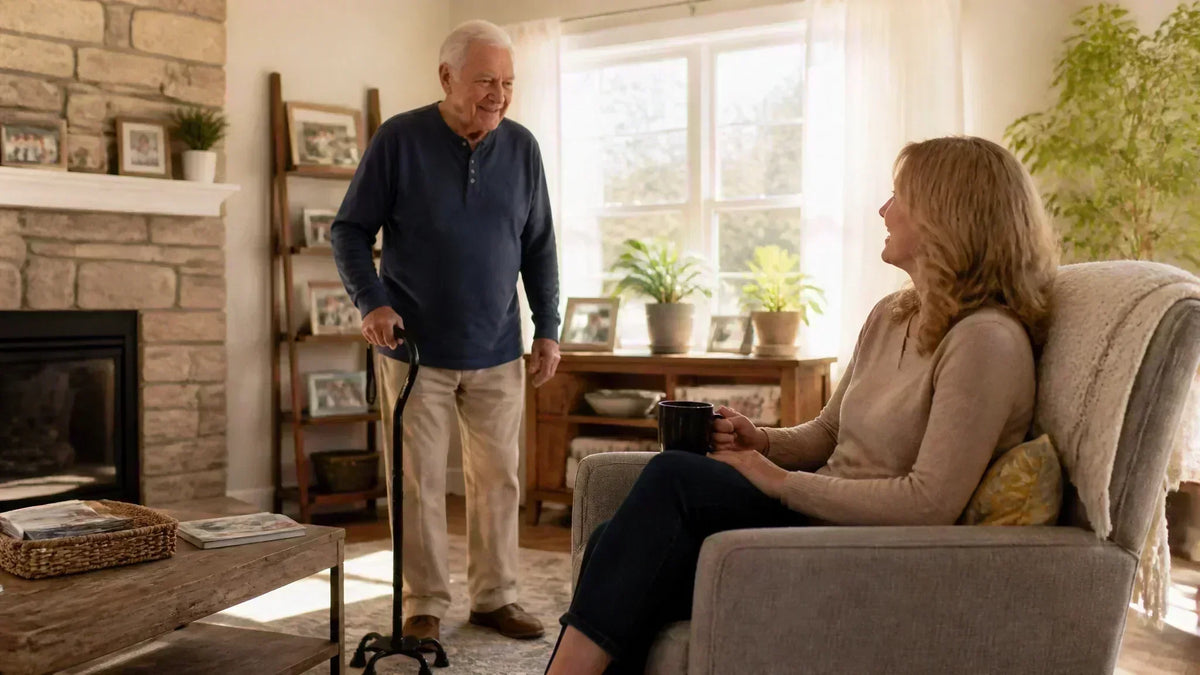
For many older adults, home represents much more than a physical space.
It is where memories were created, routines were built, and independence was developed over many years.
That is why many seniors hope to continue living in the place they know best.
However, aging at home does not always mean everything stays the same.
Over time, small daily activities may begin to feel different.
A walk through the neighborhood may require more planning.
Standing during a shower may feel more tiring.
A family outing may need extra preparation.
These changes are often gradual, and they do not mean someone has lost their independence.
In many cases, independence is supported by making small adjustments that help everyday life feel easier and more comfortable.
The goal of aging at home is not to change how someone lives. It is to help them continue living the way they want.

The Small Challenges That Often Go Unnoticed
When families think about aging, they often focus on major changes.
But independence is usually affected by small everyday moments:
- Moving safely around the home
- Preparing for a trip outside
- Taking a comfortable shower
- Spending time with family
- Completing daily routines without unnecessary difficulty
These moments may seem simple, but they are important parts of feeling independent.
The question is not:
“What can someone no longer do?”
A better question is:
“What small changes could make everyday life easier?”
Creating a More Comfortable Home Environment
Aging at home does not always require major renovations.
Sometimes, small adjustments can make familiar spaces more comfortable.
For example, the bathroom is one area where many families begin thinking about changes.
Daily routines such as bathing involve privacy, comfort, and personal independence. Creating a more supportive bathroom environment can help seniors feel more confident while maintaining their normal routines.
Simple additions, such as a bathroom safety solution, can help families create a space that feels more comfortable and practical.
The purpose is not to make the bathroom feel medical.
It is to make an everyday space work better for the person using it.

Supporting Movement Without Limiting Independence
Staying active is an important part of many seniors’ daily lives.
It may mean walking around the neighborhood, visiting friends, shopping, gardening, or spending time outdoors.
Sometimes, having additional support can make these activities feel more manageable.
A mobility and walking aid can provide extra confidence while allowing individuals to continue moving at their own pace.
The right support does not replace independence.
It helps people continue participating in the activities that matter to them.

Making Outings and Family Activities Easier
Independence is not only about what happens inside the home.
Many older adults want to continue joining family activities, attending appointments, traveling, or enjoying community events.
However, longer distances or extended activities may require more planning.
For some families, having a flexible option available can make outings feel less stressful.
A rollator walker with a seat can provide support during outdoor activities while offering a convenient place to rest when needed.
For longer trips or special occasions, a transport wheelchair can provide another way for seniors to stay involved with family and community activities.
The purpose is not to reduce participation.
It is to make participation easier.

Give Seniors a Voice in the Process
One of the most important parts of supporting independence is respecting personal choice.
Family members often want to help because they care.
However, making every decision for someone can unintentionally make them feel like they are losing control.
Instead of saying:
“You need this.”
Try:
“Would this make things easier?”
Instead of deciding immediately:
“Let’s find something that works for you.”
The person using the product should always feel involved in the decision.
This may include considering:
- Comfort
- Appearance
- Storage
- Daily routines
- Personal preferences
For example, when exploring mobility options for travel or outings, families can look at choices such as the WHLICKS A04S Foldable Transport Wheelchair together.
The most successful solutions are usually the ones that feel natural in someone’s everyday life.

Small Changes Can Create More Possibilities
Aging at home is not about preventing every change.
It is about adapting in ways that allow people to continue doing what matters.
A small adjustment may create:
- More confidence during daily routines
- More comfortable movement around the home
- More opportunities to spend time with family
- More freedom to participate in activities
The best support is often not the most noticeable.
It is the support that quietly makes life easier.

Independence Means Having Choices
Independence does not always mean doing everything without assistance.
Sometimes, independence means having the tools and environment that allow someone to make their own decisions.
It means being able to decide:
- Where to go
- What activities to join
- When to rest
- How much support feels comfortable
At WHLICKS, we believe mobility products should support everyday life—not define it.
The purpose of mobility support is simple:
Help people continue doing more of what matters to them.
Frequently Asked Questions
What does aging in place mean?
Aging in place means continuing to live safely and comfortably in a familiar home environment as someone grows older.
How can families support senior independence at home?
Families can support independence by listening to seniors’ preferences, making thoughtful adjustments, and creating an environment that supports everyday routines.
Are mobility products only for people who have major mobility challenges?
Not necessarily. Many people use mobility products as practical tools that help them stay active, comfortable, and involved in daily activities.
How can I introduce changes at home without making someone feel dependent?
Focus on comfort and convenience rather than limitations. Involve the person in decisions and choose solutions together.
What types of products can support aging at home?
Different products can support different lifestyles, including mobility aids, rollators, transport wheelchairs, and bathroom safety solutions.
Supporting Everyday Independence With WHLICKS
Aging at home is about more than staying in one place.
It is about creating an environment where people can continue living comfortably, confidently, and independently.
Explore WHLICKS Mobility & Walking Aids to discover practical solutions designed around everyday comfort and independence.
Share:
Transport Wheelchair vs Regular Wheelchair: Which One Is Right for Seniors?