

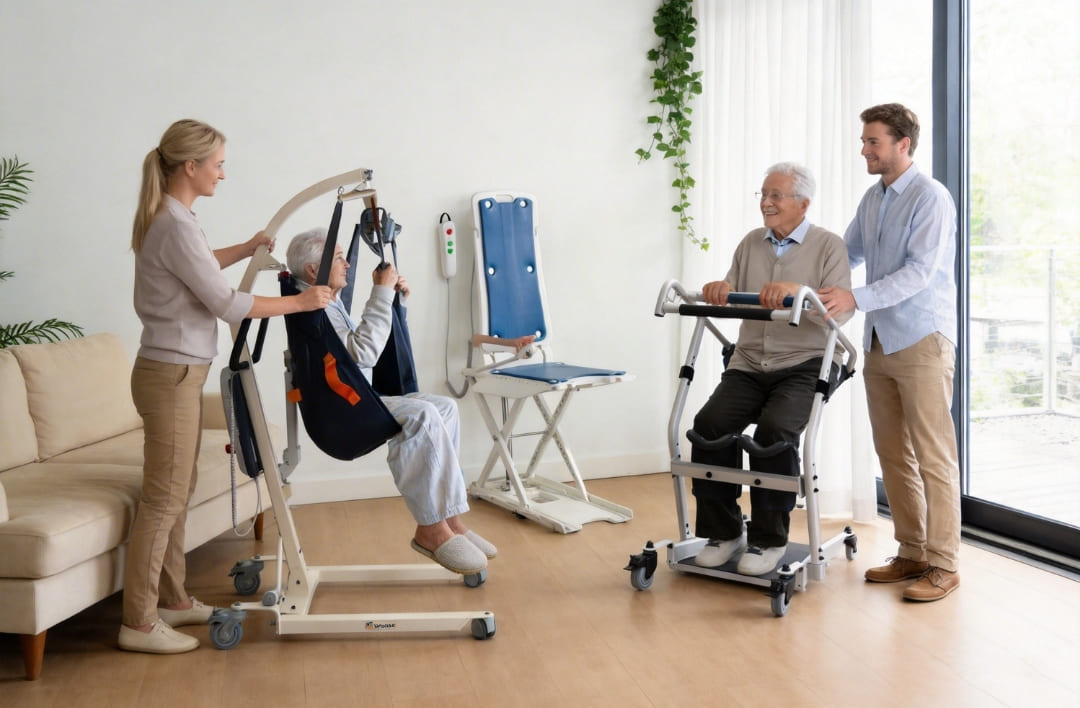
Caring for a loved one with limited mobility can be both physically and emotionally challenging. Simple daily tasks—such as moving from a bed to a chair, wheelchair, or bathroom—can quickly become difficult and even dangerous without proper support. Choosing the right patient lift for home use can significantly reduce the risk of injury, improve comfort, and make daily care much easier.
In 2026, modern patient lifts are designed to be more user-friendly, compact, and efficient than ever before. Whether you're a caregiver or a family member, selecting the right lift can greatly improve safety, independence, and quality of life.
What Is a Patient Lift and Who Needs One?
A patient lift is a mobility aid designed to safely transfer individuals with limited strength or mobility. Instead of manually lifting someone—which can lead to injuries—these devices provide controlled, stable movement.
- Seniors with reduced mobility
- Stroke recovery patients
- Post-surgery individuals
- Bedridden users
- People with disabilities
Using a patient lift helps reduce caregiver strain while ensuring a safer and more dignified experience for the user.
Types of Patient Lifts for Home Use
Sit-to-Stand Lifts
These lifts assist users who can partially stand. They are compact, affordable, and ideal for encouraging mobility.
Best for: Users with some leg strength
If you're considering this option, check out our complete guide to sit-to-stand lifts for home care to understand how they work in real-life situations.

Full Electric Patient Lifts
Designed for users who cannot stand, these lifts provide full-body support and are powered for easy operation.
Best for: Bedridden patients and full transfers

Transfer Chair Lifts
These combine lifting and mobility, allowing users to move between rooms with ease.
Best for: Bathroom use and multi-scene transfers
How to Choose the Best Patient Lift for Home
Weight Capacity
Most lifts support between 300–400 lbs. Always choose a model with a higher capacity for safety.
Door Width Compatibility
Measure doorways carefully. Many lifts require at least 22–24 inches clearance.
Height Adjustment Range
Ensure compatibility with beds, wheelchairs, and toilets.
Electric vs Manual
Electric lifts are easier and safer for daily use, while sit-to-stand lifts are ideal for users who have some mobility and can support part of their weight.

Still have questions? Read our detailed sit-to-stand lift FAQ guide covering common concerns from caregivers.
Safety Features
- Lockable wheels
- Stable base
- Smooth lifting mechanism
Best Patient Lifts for Home Use in 2026
| Product | Type | Weight Capacity | Door Width | Best For | Price |
|---|---|---|---|---|---|
| WHLICKS Sit-to-Stand Lift | Sit-to-Stand | 400 lbs | 24" | Partial mobility users | $469.99 |
| Electric Patient Lift Transfer Chair | Full Lift | 400 lbs | 22" | Bedridden patients | $999.99 |
| Vevor Electric Patient Lift Chair | Transfer Chair | 310 lbs | — | Bathroom & daily transfer | $549.99 |
Quick Tip: The best patient lift depends on mobility level. Sit-to-stand lifts are ideal for partial support, while full electric lifts provide maximum safety.
Not sure which type is right for you? This detailed comparison of sit-to-stand lift vs patient lift explains the differences clearly.
Product Recommendations
WHLICKS Sit-to-Stand Lift
This lift is ideal for users who can partially stand and need assistance during daily transfers.
Best for: Daily mobility support
Shop sit-to-stand lift for seniors
Electric Patient Lift Transfer Chair
Provides full-body support with electric operation, making it ideal for caregivers.
Best for: Bedridden patients
Shop electric patient lift for home care

Vevor Electric Patient Lift Chair
A versatile option designed for bathroom and multi-room transfers.
Best for: Flexible home use
Shop transfer chair for elderly at home
How to Safely Use a Patient Lift at Home
- Position the lift properly
- Secure the support system
- Lift slowly
- Move carefully
- Lower gently
- Always lock wheels
- Never exceed weight capacity
- Check equipment regularly
Common Mistakes When Buying a Patient Lift
- Choosing the wrong type
- Ignoring door width
- Underestimating weight capacity
- Choosing manual over electric
Frequently Asked Questions
Do I need a patient lift at home?
If you regularly assist someone with mobility issues, a patient lift improves safety and reduces strain.
Can one person use a patient lift?
Yes, especially electric models designed for single caregivers.
What is the safest patient lift?
Full electric lifts offer the highest safety and stability.
How much weight can a patient lift hold?
Most lifts support between 300–400 lbs.
Are electric patient lifts worth it?
Yes, they improve safety and reduce caregiver effort.
Final Thoughts
The best patient lift for home use in 2026 depends on your needs. Sit-to-stand lifts work for partial mobility, while electric lifts provide full support and safety.
For a deeper understanding, explore our complete sit-to-stand lift guide.
Explore all transfer aids options here: https://whlicks.net/collections/transfer-aids

Share:
Whlicks Electric Patient Lift FAQ: Guide for Safe Home Transfers